Craft
What the best product design portfolios have in common
The best product design portfolios lead with problems and outcomes, not just screens. Here's what makes one stand out, with real examples from my own case studies.
Most product design portfolios look great and say very little. The ones that get people hired do something different: they read like evidence. After more than a decade in product design, here's what I think the best ones have in common, using my own case studies as examples so you can see each idea in practice.
1. Lead with the problem, not the pixels
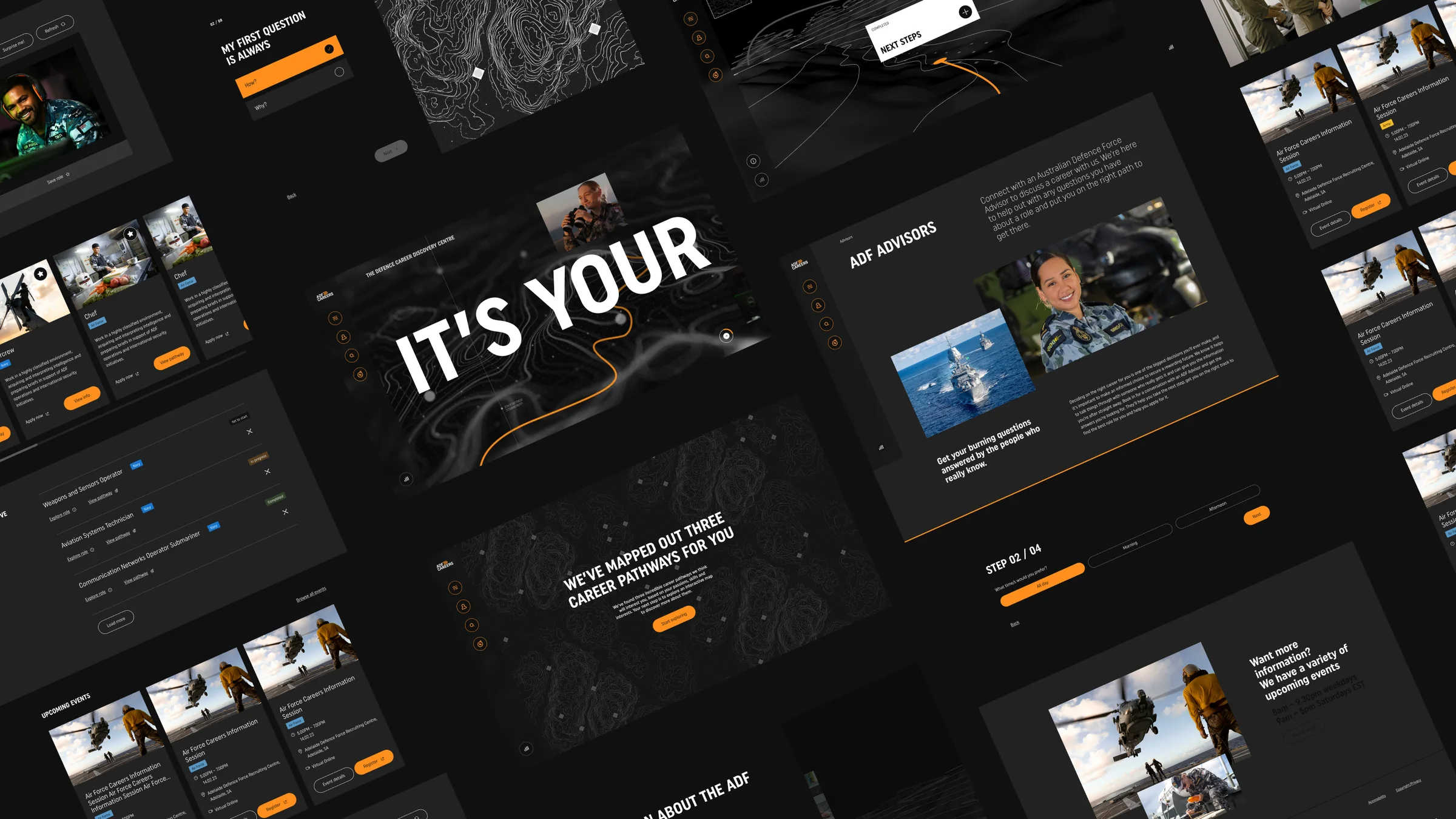
People read case studies to understand how you think. The quickest way to show that is to open with what was broken. The ADF Career Discovery Hub case study opens with a number: around 70% of applications were abandoned each month, and only 10% converted to enlistment. The stakes are clear in one sentence.
Compare that with a case study that opens on a hero mockup and a paragraph about brand values. The visuals might be stronger, but the reader learns nothing about you.
2. Be specific about your role
Product design is a team sport, and reviewers know it. What they want to know is which parts were yours. Each case study on this site lists the disciplines involved, and the bigger projects spell out responsibilities. On ADF, I led the creative platform, visual and UI direction, the design system, motion and sound guidelines and the immersive 3D direction, and supported the quiz UX and user testing.
Being clear about what you supported, not just what you led, makes everything else more believable.
3. Show the decisions in between
The middle of a case study is where most portfolios go quiet, and where the best ones earn their keep. Show the research that changed your mind, the options you ruled out and why.
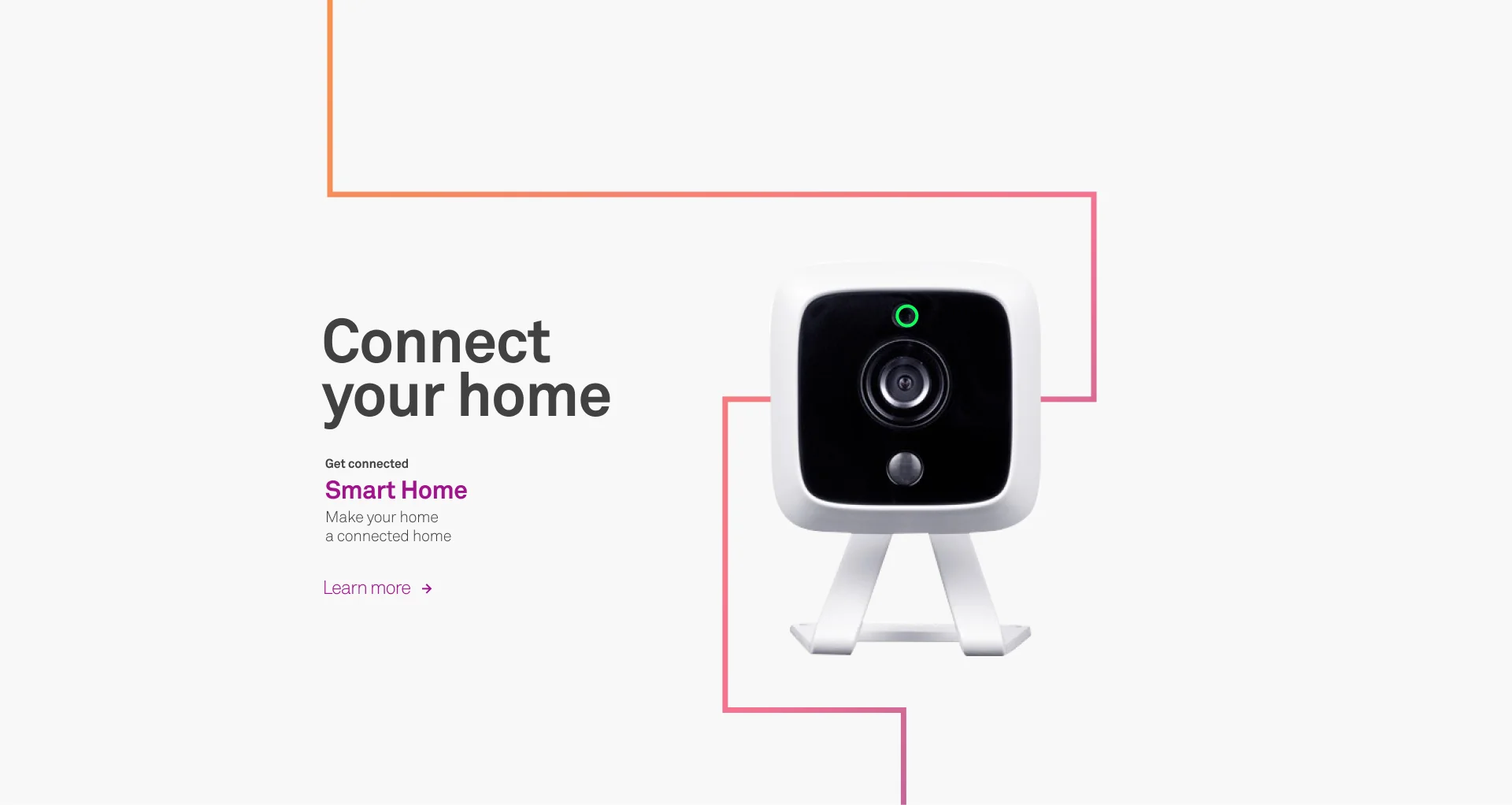
On the Telstra Design System, the key insight from the audit was that Telstra didn't just need a component library. It needed a unifying creative idea. That became "Light in Motion", which turned Telstra's brand colours and gradients into functional design elements. That one decision explains the whole system, so it earns its own section.
4. Prove it with numbers
If you have results, put them where nobody can miss them. The Mox Bank case study ends with them: more than 170,000 customers in year one, 80% onboarded in as little as three minutes, a 4.7 App Store rating and an honourable mention from Fast Company for best designed finance projects.
Not every project has launch data, especially agency work. Use what you do have: participants tested, components shipped, accessibility standards met. The Australian Ethical case study cites 16 test participants aged 18 to 78 and AA and AAA contrast compliance. Concrete beats vague every time.
Three deep case studies will do more for you than twenty thumbnails.
5. Edit ruthlessly
The best portfolios are short. Three to six projects, each told properly, beat a grid of everything you've ever touched. Choose work that shows range across problems, not just across clients, and cut anything you couldn't talk about for ten minutes.
6. Handle NDA work honestly
Some of the best work can't be shown in full. Say so. My projects page includes a social app for gamers marked "Under NDA", with the year, my role and a single image. Describe the problem and approach in general terms, and offer a private walkthrough in interviews.
7. Treat the site as a case study too
Your portfolio is a product, and people judge it like one. Does it load fast? Does it work on a phone? Is the type easy to read, and do the interactions feel considered? I rebuilt this site in hand-written code this year because the page builder I'd been using made it hard to keep it fast and responsive on every screen. Details like motion and hover states show the same care you'd bring to a client's product.
A quick portfolio checklist
- Your name, role and city are clear on the first screen.
- Every case study opens with the problem.
- Your role is specific, including what you supported.
- At least one key decision is explained with its reasoning.
- Every case study ends with an outcome.
- Three to six projects, no more.
- It works beautifully on a phone.
- There's an obvious way to contact you.
Frequently asked questions
How many projects should be in a product design portfolio?
Three to six. Each one should be told properly, with the problem, your role, key decisions and the outcome. Reviewers rarely read more than two case studies, so lead with your strongest.
Should I include NDA work in my portfolio?
Yes, if you can do it honestly. Label it as under NDA, share the year, your role and whatever visuals you're allowed to, and describe the problem and approach in general terms. Offer a private walkthrough in interviews.
Do I need a portfolio website, or is a PDF enough?
Ideally both. A website is how people find you through search and AI tools, and it can show interaction and motion. A PDF is handy for applications and for people who want to print or annotate.
How long should a design case study be?
Long enough to cover the problem, your role, the key decisions and the outcome, and short enough to skim in a few minutes. Clear headings help people jump to what they care about.
What do hiring managers look at first in a design portfolio?
Usually the first case study, and whether its opening explains the problem. If that's clear and specific, they keep reading. If it opens with screens and no context, many won't.